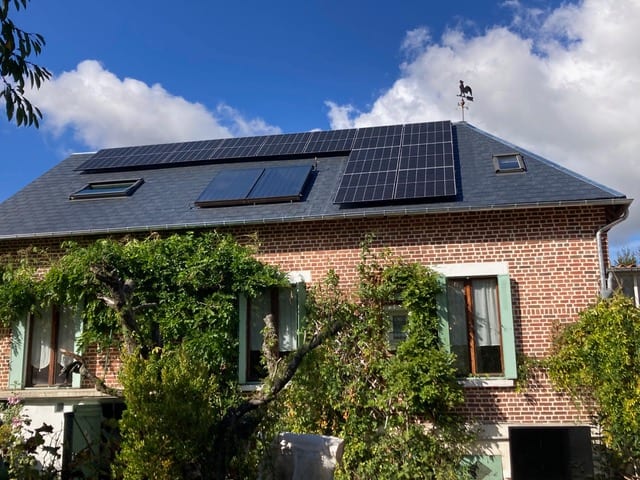
With surplus sale
The most common option: you use your own production first, and the surplus is fed into the grid and paid for under a buy-back contract.
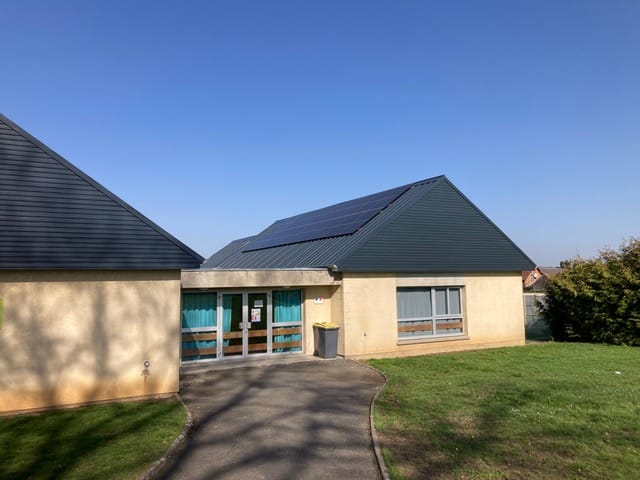
Produce and use your own electricity
Self-consumption means directly using the electricity produced by the panels on your roof. Your bill drops from day one, and the surplus is sold to the grid or stored in a battery.
The most common option: you use your own production first, and the surplus is fed into the grid and paid for under a buy-back contract.
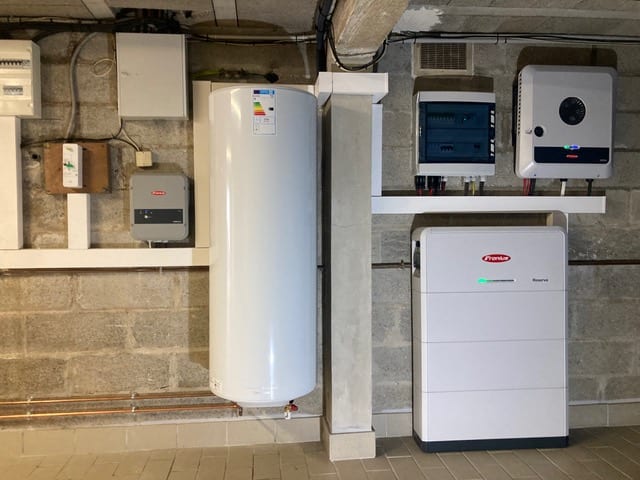
A battery keeps the surplus for the evening: your self-consumption rate rises and grid purchases fall.
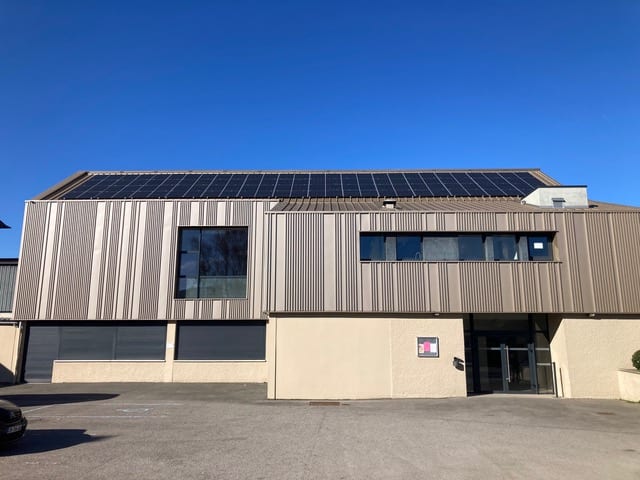
Track production and consumption from your phone to adjust your usage and check everything runs properly.
Your panels produce exactly what the house uses: solar electricity is used directly and the meter draws nothing from the Enedis grid.
Producing more than you use? With collective self-consumption, your surplus no longer just goes to the grid: it is shared with your neighbours. A single solar installation supplies several nearby homes or buildings.
Participants must be located close to one another, within the area set by regulations, and join a common legal entity (association, cooperative…) that organises the sharing.
We identify the best-placed roof, size the installation to everyone’s consumption and support you with the grid connection process.
Panels on several buildings feed their output into the public grid. Enedis allocates it between participants according to the chosen distribution key: everyone uses their share of local electricity.
Municipalities and residents across the Aisne trust us to share their solar energy.
10 households and 3 municipal production sites: shared production.
Collective self-consumption across municipal buildings.
Collective self-consumption across municipal buildings.
Collective self-consumption across municipal buildings.
Collective self-consumption across municipal buildings.
Collective self-consumption across municipal buildings.
Payback depends on installed output, roof orientation and above all on how much of the production you use yourself. Running the washing machine, water heater or car charging during the day makes a clear difference.
Our RGE installations qualify for the national incentives in force (self-consumption bonus, surplus feed-in tariff). We include them in the free study.